
Why Some Perfumes Smell Like Pickles: The Surprising Chemistry Behind It


Every fragrance enthusiast has experienced it at least once. You spray a perfume expecting something woody, musky, or amber-like—and instead you get something unexpected: a distinct smell of pickles or dill.
This phenomenon shows up surprisingly often in modern fragrances, especially in perfumes that contain certain woody or amber molecules. While some people notice it immediately, others cannot detect it at all. The explanation lies in how our noses interpret certain aroma molecules and how they interact with skin chemistry.
The Molecules Often Responsible
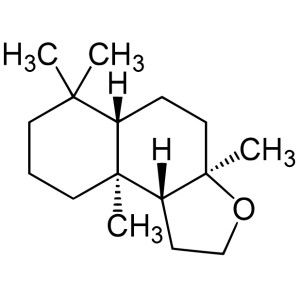
One of the most common culprits behind the “pickle smell” is the aroma molecule Ambroxan. Ambroxan is widely used in modern perfumery because it recreates the scent of ambergris—an extremely rare natural material historically used as a base note. Its scent profile is usually described as warm, amber-like, slightly salty, and woody. However, for some people, the brain interprets this smell differently. Instead of amber warmth, it may trigger associations with dill or pickled vegetables. This is a classic example of how olfactory perception varies between individuals.

Another molecule sometimes linked to the pickle-like effect is Iso E Super. Iso E Super is a very common woody molecule used to add smoothness, diffusion, and a soft woody aura.
It usually smells velvety and subtle. But depending on the concentration and the other ingredients in a perfume, it can sometimes combine with skin chemistry in ways that produce slightly vinegar-like or dill-like nuances for certain wearers.
The reason some people notice the pickle effect while others do not has to do with olfactory receptors in the nose. Human scent perception depends on specialized proteins that detect aroma molecules. Genetic differences mean that people do not all smell the same chemicals in the same way. For example some people cannot smell certain musks at all, and others perceive subtle woody molecules extremely strongly. This variation explains why one person may smell “warm amber” while another smells “pickle brine.”
Perfume also interacts with skin chemistry, which can alter how aroma molecules evaporate and combine. Factors that influence this include skin pH, natural skin oils, temperature, and your skin microbiome. These factors can slightly change the balance of volatile compounds that reach the nose, sometimes exaggerating unusual scent facets.
Perfumes Where People Often Notice It
The pickle effect is most commonly reported in fragrances that rely heavily on modern amber and woody molecules. Examples often discussed by fragrance enthusiasts include Dior Sauvage, Escentric Molecules Molecule 01, and Le Labo Another 13. Not everyone smells pickles in these fragrances—but the discussion appears frequently in fragrance forums.
Interestingly, some perfumers intentionally embrace slightly unusual scent facets. In small amounts, a sharp or savory nuance can add complexity and realism to a fragrance composition. Many natural materials also contain strange scent components that might seem odd when isolated but work beautifully in a blend. For example, certain natural resins and woods contain trace molecules that can smell medicinal, smoky, leathery, or slightly sour. These facets can contribute depth and character to a finished perfume.

The “pickle perfume” phenomenon is a reminder that fragrance perception is incredibly personal. The same perfume can smell warm and woody to one person, salty and amber-like to another, and oddly pickle-like to someone else. This variability is part of what makes perfumery so fascinating. Our noses do not simply detect molecules—they interpret them through biology, memory, and personal perception.
And sometimes, that interpretation leads straight to a jar of pickles.


Comments